
Table of Contents
The FIFA World Cup is more than just a tournament; it is a global phenomenon that stops the world in its tracks. Every four years, billions of eyes turn toward a single pitch, united by a shared passion for the beautiful game. From the dusty streets of Rio de Janeiro to the bustling pubs of London, the impact of this event is undeniable. It transforms players into legends, nations into families, and moments into history.
Whether you are a die-hard supporter or a casual viewer, understanding the sheer magnitude of the FIFA World Cup enhances every goal, every save, and every tear shed in victory or defeat. This guide explores the rich history, legendary records, and the thrilling future that awaits in 2026.
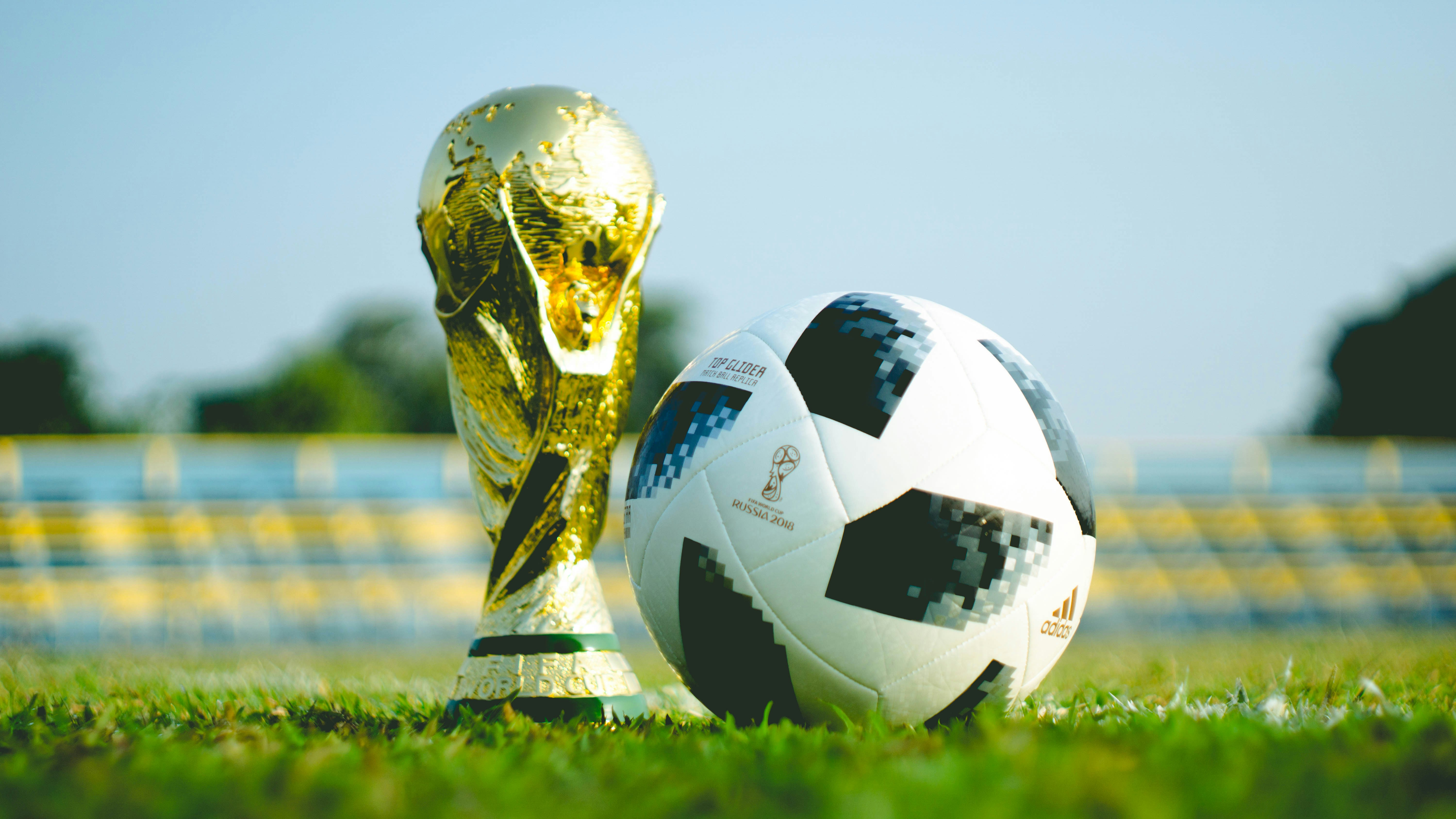
The Historic Origins of the FIFA World Cup
The story of the FIFA World Cup began in the early 20th century. While football was part of the Summer Olympics, the sport’s governing body, FIFA (Fédération Internationale de Football Association), wanted a standalone competition to determine the true world champion.
1930: The Inaugural Tournament
In 1930, the dream became reality. Uruguay, the reigning Olympic champions, hosted the very first tournament. Only 13 nations participated—seven from South America, four from Europe, and two from North America. In a dramatic final, Uruguay defeated Argentina 4-2 to become the first-ever FIFA World Cup champions.
Evolution Through the Decades
The tournament has grown exponentially since those humble beginnings. It survived a hiatus during World War II (canceling the 1942 and 1946 editions) and expanded from 13 teams to the 32-team format we know today. As we look toward the future, the competition continues to evolve, reflecting the global growth of the sport.
FIFA World Cup Format and Qualification
Understanding how a team reaches the global stage is crucial to appreciating their journey. The road to the FIFA World Cup is long, arduous, and filled with heartbreak and triumph.
The Qualification Phase
Before the main event, over 200 national teams compete in regional qualifiers. These are organized by the six FIFA confederations:
- AFC (Asia)
- CAF (Africa)
- CONCACAF (North, Central America, and Caribbean)
- CONMEBOL (South America)
- OFC (Oceania)
- UEFA (Europe)
This qualification process takes roughly three years. Only the best teams survive this grueling schedule to book their tickets to the finals.
The Final Tournament Structure
Traditionally, the final tournament features a group stage followed by a knockout phase. The excitement builds as teams fight for survival in the “Round of 16,” leading to the quarterfinals, semifinals, and the grand finale. The FIFA World Cup trophy is the ultimate prize waiting at the end of this gauntlet.
Legendary Winners and Dominant Nations
A select few nations have etched their names into the annals of history. The hierarchy of the FIFA World Cup is defined by these titans of the sport.
Brazil: The Kings of Football
No conversation about the FIFA World Cup is complete without mentioning Brazil. The Seleção is the most successful nation in history, boasting five titles (1958, 1962, 1970, 1994, 2002). They are also the only team to have competed in every single tournament since 1930.
The European Powerhouses
Europe has produced some of the most disciplined and tactical champions:
- Germany and Italy both hold four titles, making them fierce historic rivals to Brazil.
- France has emerged as a modern juggernaut, winning in 1998 and 2018.
- Spain and England have each tasted glory once, in 2010 and 1966, respectively.
Argentina’s Triumphant Return
Led by the legendary Lionel Messi, Argentina claimed their third star in Qatar 2022, cementing their status as South American royalty alongside Brazil and Uruguay.
Comparative Table of Top Winners
| Nation | Titles | Years Won | Runners-Up |
| Brazil | 5 | 1958, 1962, 1970, 1994, 2002 | 2 |
| Germany | 4 | 1954, 1974, 1990, 2014 | 4 |
| Italy | 4 | 1934, 1938, 1982, 2006 | 2 |
| Argentina | 3 | 1978, 1986, 2022 | 3 |
| France | 2 | 1998, 2018 | 2 |
| Uruguay | 2 | 1930, 1950 | 0 |
Icons of the Game: Players Who Defined the Era
The FIFA World Cup is the stage where players become immortals.
Pelé: The Young King
Edson Arantes do Nascimento, known as Pelé, burst onto the scene in 1958 at just 17 years old. He remains the only player in history to win three World Cups, a record that stands as a testament to his greatness.
Maradona: The Golden Boy
Diego Maradona’s performance in 1986 is the stuff of folklore. From the controversial “Hand of God” to the “Goal of the Century,” he single-handedly dragged Argentina to glory, captivating the world with his raw talent.
Miroslav Klose: The Goal Machine
While others may be flashier, Germany’s Miroslav Klose holds the record for the most goals scored in FIFA World Cup history (16). His consistency across four tournaments (2002–2014) is a benchmark for all strikers.
Lionel Messi and Kylian Mbappé
The 2022 final was a duel between two modern greats. Messi completed football by lifting the trophy, while Mbappé became only the second player to score a hat-trick in a final, proving the future of the sport is in safe hands.
Unforgettable Matches and Controversies
Drama is inherent to the FIFA World Cup. Over the decades, we have witnessed matches that defied logic.
The Maracanazo (1950)
In front of nearly 200,000 fans at the Maracanã Stadium, Uruguay shocked host nation Brazil 2-1. The silence that fell over Rio is still spoken of today as a national tragedy for Brazil.
The Miracle of Bern (1954)
West Germany, a nation rebuilding after the war, defeated the seemingly invincible Hungarian “Golden Team” 3-2. It remains one of the greatest upsets in sports history.
Zidane’s Headbutt (2006)
In his final professional match, French captain Zinedine Zidane was sent off in extra time for headbutting Italy’s Marco Materazzi. Italy went on to win on penalties, leaving a bittersweet end to a legend’s career.
The Trophy: From Jules Rimet to the Current Icon
The prize everyone chases has its own fascinating history.
The Jules Rimet Trophy
Originally named “Victory,” the first trophy was renamed in honor of FIFA President Jules Rimet. Brazil won it outright in 1970 after their third victory. Shockingly, the original trophy was stolen in Brazil in 1983 and never recovered, believed to have been melted down.
The Current FIFA World Cup Trophy
Introduced in 1974, the current trophy is made of 18-karat gold and depicts two human figures holding up the Earth. Unlike the previous cup, this one cannot be won outright; it remains in FIFA’s possession, with winners receiving a gold-plated bronze replica.
Looking Ahead: The 2026 FIFA World Cup
The next chapter of this saga promises to be the biggest yet.
A United North America
For the first time, three nations will co-host the tournament: the United States, Canada, and Mexico. This vast geographical spread will bring the FIFA World Cup to new audiences and iconic stadiums across the continent.
Expansion to 48 Teams
The 2026 edition will see the tournament expand from 32 to 48 teams. This controversial but exciting change allows more nations, particularly from Africa and Asia, to participate on the world stage, fostering the global growth of football.
Economic and Cultural Impact of the FIFA World Cup
Hosting the tournament is a double-edged sword. It brings immense prestige and tourism but requires billions in investment.
Boosting National Pride
For the host nation, the event is a chance to showcase their culture to the world. The 2010 tournament in South Africa was a celebration of African heritage, popularized by the vuvuzela and the rhythmic spirit of the continent.
The Business of Football
Sponsorships, broadcasting rights, and merchandise sales generate billions of dollars. The FIFA World Cup is a marketing juggernaut, with brands vying for visibility during the most-watched sporting event on the planet.
FIFA World Cup Records and Statistics
For the data enthusiasts, the numbers behind the game are just as thrilling as the goals.
Fastest Goals and Clean Sheets
- Fastest Goal: Hakan Şükür (Turkey) scored in 11 seconds against South Korea in 2002.
- Most Clean Sheets: Both Fabien Barthez (France) and Peter Shilton (England) share the record with 10 clean sheets in finals history.
Youngest and Oldest Players
- Youngest: Norman Whiteside (Northern Ireland) played at 17 years and 41 days in 1982.
- Oldest: Essam El-Hadary (Egypt) played in goal at 45 years old in 2018.
How to Experience the FIFA World Cup
Being part of the tournament is a bucket-list item for many.
Attending Matches
Securing tickets is a competitive process, usually handled through a lottery system on the official FIFA website. Planning ahead for travel and accommodation is essential, especially for the multi-country format of 2026.
Fan Zones and Watch Parties
If you can’t make it to the stadium, official Fan Festivals offer the next best thing. Giant screens, live music, and thousands of cheering fans create an electric atmosphere in major cities worldwide.
Conclusion: The Enduring Magic of the Cup
The FIFA World Cup is a testament to the unifying power of sport. It transcends borders, languages, and politics, bringing the world together for a month of pure emotion. From the tears of joy to the agony of defeat, every moment is etched into our collective memory.
As we await the kickoff in 2026, the anticipation only grows. New heroes will rise, records will fall, and the world will once again hold its breath. Whether you are rooting for the underdogs or the defending champions, one thing is certain: the magic of the World Cup never fades.
Frequently Asked Questions (FAQ)
Q: Who has won the most FIFA World Cup titles?
A: Brazil holds the record for the most titles, having won the tournament five times (1958, 1962, 1970, 1994, and 2002).
Q: When is the next FIFA World Cup?
A: The next tournament will take place in June and July of 2026 and will be jointly hosted by the United States, Canada, and Mexico.
Q: Who is the all-time top scorer in FIFA World Cup history?
A: Miroslav Klose of Germany is the all-time top scorer with 16 goals scored across four tournaments between 2002 and 2014.
Q: How many teams will play in the 2026 FIFA World Cup?
A: The 2026 edition will expand to feature 48 teams, increasing from the traditional 32-team format used in recent decades.
Q: Which country won the first FIFA World Cup?
A: Uruguay won the inaugural tournament in 1930, defeating Argentina in the final on home soil.